ADA MICHAELS-MASON Film Actress
ADA MICHAELS-MASON Film Actress
Instinct Is Built
What appears effortless on screen rarely is. Ada's approach to acting is grounded in preparation. She believes instinct becomes most powerful when it has something solid underneath it — when the actor has done enough work that they no longer need to think about the work. Her multidisciplinary background has taught her to treat performance as both an art and a discipline.
Acting.
Dance.
Musical theatre.
Music.
Writing.
Each has given her another language through which to understand performance.
The Body as a Storytelling Instrument
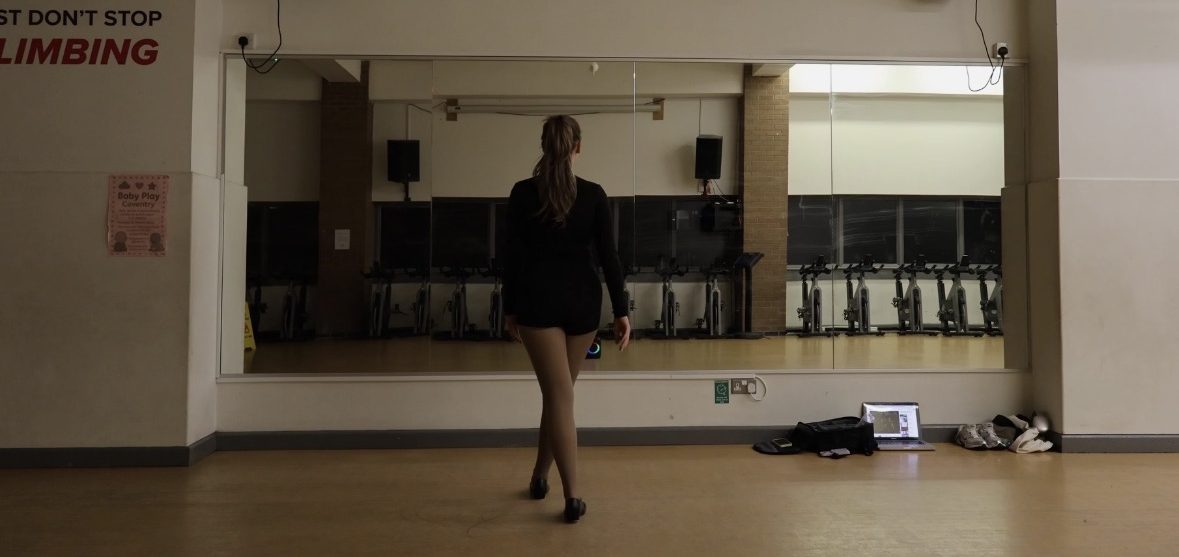
Ada began dancing at a young age, training extensively in contemporary and jazz, with additional training in tap and jazz tap. Dance taught her something that has remained fundamental to her acting: the body speaks before the mouth does.
She studies physicality as part of character. How does someone enter a room? Do they take up space or apologise for it? Do they move quickly because they're nervous, or slowly because they know everyone is watching? What happens to their body when they're lying? These details can completely change a performance.
Voice, Rhythm & Musicality
Her background in music and musical theatre has similarly influenced the way Ada approaches dialogue. She pays attention to rhythm, pace, breath and intention — not simply what a character says, but how they say it and what exists underneath the words. She considers dialogue almost musically.
A sentence can seduce.
A pause can threaten.
A change in rhythm can expose someone.
That sensitivity allows her to approach dialogue not simply as text to memorise, but as behaviour.
The Writer's Eye
Being a writer has given Ada another advantage as an actress: she instinctively looks beyond the scene. She wants to understand why a character exists within the story, what the writer is asking the audience to feel and what may be happening beneath the literal words. She thinks about what isn't written.
The history before the first scene.
The thought behind the line.
The moment after the director calls cut.
For Ada, character development doesn't stop at the script. The script is where the investigation begins.
Research, Then Release
Preparation is particularly important when Ada takes on psychologically complex or historical roles. She researches the world surrounding a character — their circumstances, relationships, psychology, physical environment, language and behaviour — building a detailed internal framework before allowing herself to let go of it. Because eventually, preparation has to disappear. The paradox of acting is that you can spend weeks, months or years preparing a moment and then have to forget all of it when the camera turns on. Ada prepares obsessively so that she can ultimately stop preparing.
Discipline & Freedom
Ada doesn't see precision and instinct as opposites. She believes precision creates freedom. When the character's physicality is understood, the emotional history is understood, the words are embedded and the world of the story feels real, she no longer needs to consciously search for the performance.
She can listen.
React.
Change her mind.
Make a mistake.
Follow an impulse.
That is where the unexpected moments happen.
The Work Nobody Sees
The finished performance may last two minutes on screen. The work behind it can take months.
Ada respects that invisible work.
The reading. The research. The rehearsals. The physical preparation. The vocal work. The conversations. The rewrites. The mistakes. The uncomfortable questions. She believes that craft is built in those moments when nobody is watching. And when the camera finally rolls, the hope is that none of that preparation is visible.
Only the truth remains.
We need your consent to load the translations
We use a third-party service to translate the website content that may collect data about your activity. Please review the details in the privacy policy and accept the service to view the translations.